
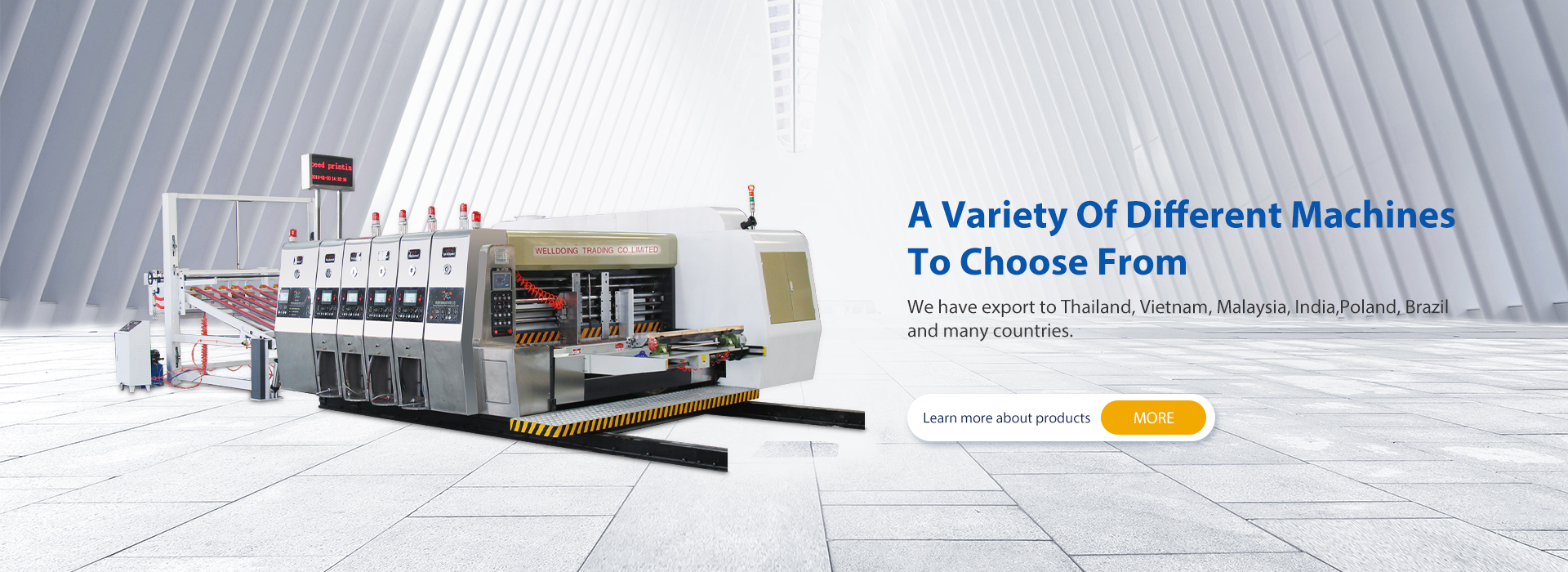
If you run a corrugated box factory, you know the quiet profit killers all too well: crushed flutes, smeared water-based ink, drifting print registration, skewed slotting, scrap piles after every job change, and rushed delivery windows that force you to turn away high-margin custom orders. For years, many carton plants relied on conventional chain-feed or roller-type printing slotting die cutting machine to handle standard runs. But as brand buyers demand sharper graphics, consistent box strength, faster short-run turnaround and lower defect rates, a growing number of corrugated converters are making one clear upgrade: switching to a vacuum transfer printing die cutting slotting machine. This is not just another equipment refresh. It is a workflow reset that fixes the core limitations of traditional printer slotter die cutter lines and reshapes how your box factory competes in a tight global packaging market.
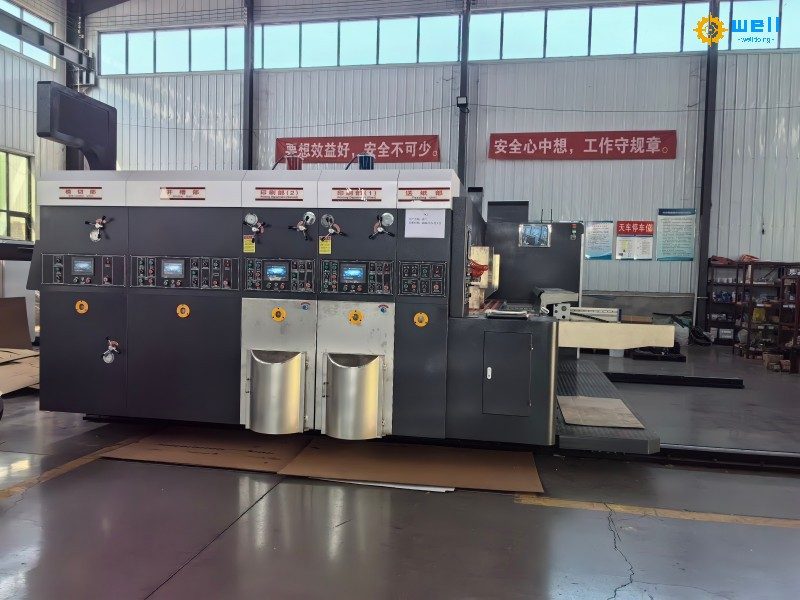
The biggest weakness of older printing slotting die cutting machine lies in how they move corrugated sheets through each processing station. Chain pins grip board edges, and pressure rollers press down on the printed surface to pull sheets forward. This mechanical contact creates two unavoidable problems. First, it crushes corrugated flutes, weakening the finished box and leaving permanent pressure marks that ruin full-surface flexo printing. Second, wet ink gets smudged or ghosted by rollers, and slight sheet slippage breaks color-to-color registration. On simple brown shipping boxes, these flaws might slip through inspection. For retail packaging, branded e-commerce cartons, fruit trays, display boxes and die-cut custom blanks, even tiny misalignment triggers customer complaints and costly rework. This is where vacuum transfer technology redefines what a printing slotting die cutting machine can deliver. Instead of grabbing or squeezing the board, adjustable vacuum suction belts hold the entire sheet evenly across its surface by air pressure. The corrugated sheet floats gently through print units, slotting stations, creasing sections and rotary die-cutting modules without hard surface contact. Flutes stay intact, wet ink stays clean, and sheet position remains locked, even at high running speeds.
Stable registration is the top reason professional corrugated box factories prioritize vacuum transfer automatic flexo printer die cutter slotter machine upgrades. Many mid-sized carton shops lose jobs because they cannot guarantee repeatable print-to-cut accuracy across small-batch orders. A standard roller-fed printer slotter die cutter sees registration drift as belts stretch, gears wear, or board thickness varies between batches. With zone-controlled vacuum transfer, each sheet maintains identical orientation as it travels inline. Printed logos, barcodes, QR codes and graphic patterns line up perfectly with slotting creases, cut lines and window cutouts, sheet after sheet. This consistency directly expands your service range. You can confidently quote high-end retail packaging, multi-color printed cartons and complex die-cut structures that competitors using old printing slotting die cutting machine must refuse or outsource. For export-focused box plants, reliable registration also reduces inspection failures when goods arrive at overseas warehouses, protecting your factory reputation and repeat contracts.
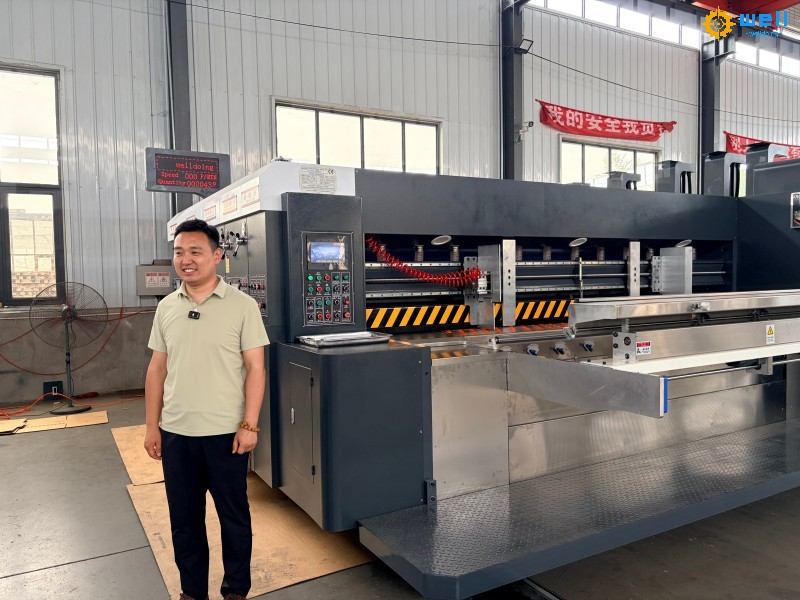
Waste reduction is another hidden ROI driver that sets vacuum transfer printing die cutting slotting machine apart. Traditional printing slotting die cutting machine often wastes dozens of sheets during make-ready. Operators manually adjust roller gaps, re-align chains and test pressure until print and cut positions look acceptable. Short runs suffer most; the scrap percentage can erase the profit of small custom orders. The vacuum transfer design pairs with full-servo digital control, storing job recipes for every box size, color layout and die-cut pattern. When you switch between SKUs, the machine recalls vacuum strength, print phase, slotting depth and die-cut timing automatically. Make-ready time drops sharply, and test scrap shrinks dramatically. Since suction holds lightweight, thin, coated or recycled corrugated board reliably without slippage, you also reduce jam-related waste. Recycled board is trickier to feed because it is softer and less rigid, yet it is increasingly used to meet buyer sustainability rules. A standard printing slotting die cutting machine struggles with recycled stock, but vacuum transfer handles it smoothly, letting you source cheaper recycled paper without sacrificing output quality. This flexibility directly lowers raw material spend month over month.
Labor and floor space pressure push many corrugated box factories toward integrated vacuum transfer printing slotting die cutting machine lines. Separate standalone printers, slotters and die cutters require dedicated operators, stacking stations, material handling forklifts and large buffer zones for semi-finished blanks. Work-in-progress piles take up valuable factory floor, and hand transfers between stations introduce more dents, scratches and alignment errors. A modern vacuum transfer printer slotter die cutter combines flexo printing, creasing, slotting and rotary die cutting in one continuous inline process. A single trained operator monitors the whole line, sends job files through the HMI, and collects finished box blanks at the stacker end. Fewer workers, less internal material handling and smaller intermediate stock piles unlock valuable factory space you can use for extra production capacity or finished goods storage. For factories fighting rising local labor costs, this upgrade is not optional luxury; it is a practical way to stabilize production expenses while scaling order volume.
Speed versatility separates this upgraded printing slotting die cutting machine from older generations too. Many chain-fed printer slotter die cutters run reliably only at a narrow speed window. Push them faster, and sheets skew, registration breaks and jams multiply. Run them slow for small orders, and throughput stalls. Vacuum transfer maintains sheet control across a wide speed range, whether you are running thousands of identical shipping cartons or batches of a few hundred custom display boxes. This dual capability matches the mixed-order reality of today’s corrugated box business, where clients alternate between bulk industrial packaging and low-volume branded retail boxes. Your factory no longer needs two separate lines for long runs and short runs. One vacuum transfer printing die cutting slotting machine handles both, smoothing your production schedule and helping you hit tight delivery deadlines.
Naturally, factory owners ask about maintenance and long-term reliability when comparing printing slotting die cutting machine models. Roller and chain feeding systems wear fast. Pins bend, rubber rollers degrade, chains stretch, and frequent part replacements create unplanned downtime. Vacuum transfer systems remove most of these high-wear contact points. Suction belts and filter cartridges follow simple scheduled maintenance, while servo independent drive protects print gears from die-cut impact shock. The printing unit and die-cutting unit operate with decoupled power, so wear on the die section does not pull your print registration out of tolerance years later. Planned maintenance windows become shorter, and unexpected breakdowns that halt your entire shift become far less common. For box factories that cannot afford idle lines during peak packaging seasons, this uptime gain translates directly into fulfilled orders and protected customer relationships.
Of course, upgrading to a vacuum transfer printing slotting die cutting machine is not the right move for every carton shop. If your work consists only of plain single-color shipping boxes with zero branding requirements, a low-cost conventional printing slotting die cutting machine may satisfy your needs. But if your sales team is chasing higher-value packaging contracts, if you regularly field complaints about crushed flutes and misaligned die cuts, if recycled board and short custom runs make up a growing share of your quote list, this technology becomes a strategic advantage. It changes the conversation you have with buyers. Instead of competing only on price for basic cartons, you can sell precision, consistency, fast sampling, low defect rates and eco-friendly packaging capability. These are selling points that let you win premium orders and escape endless low-margin price wars.
The global corrugated packaging sector keeps moving toward smaller batches, more graphics, tighter tolerances and greener materials. The carton printer die cutter slotter machine that worked for yesterday’s box factory cannot keep pace with tomorrow’s customer standards. Vacuum transfer is the upgrade that bridges that gap. It protects flute structure, locks in print registration, slashes make-ready scrap, cuts labor demand, expands your material range and stabilizes uptime. When you invest in a vacuum transfer printing die cutting slotting machine, you are not just buying another piece of carton machinery. You are building a production foundation that lets your corrugated box factory accept better orders, deliver reliably and hold stronger profit margins long into the future.
Email:cartonmachine.tomwang@aliyun.com
Phone/Wechat/Whatsapp:+86 133 0307 8975
Post time: Nov-19-2026