

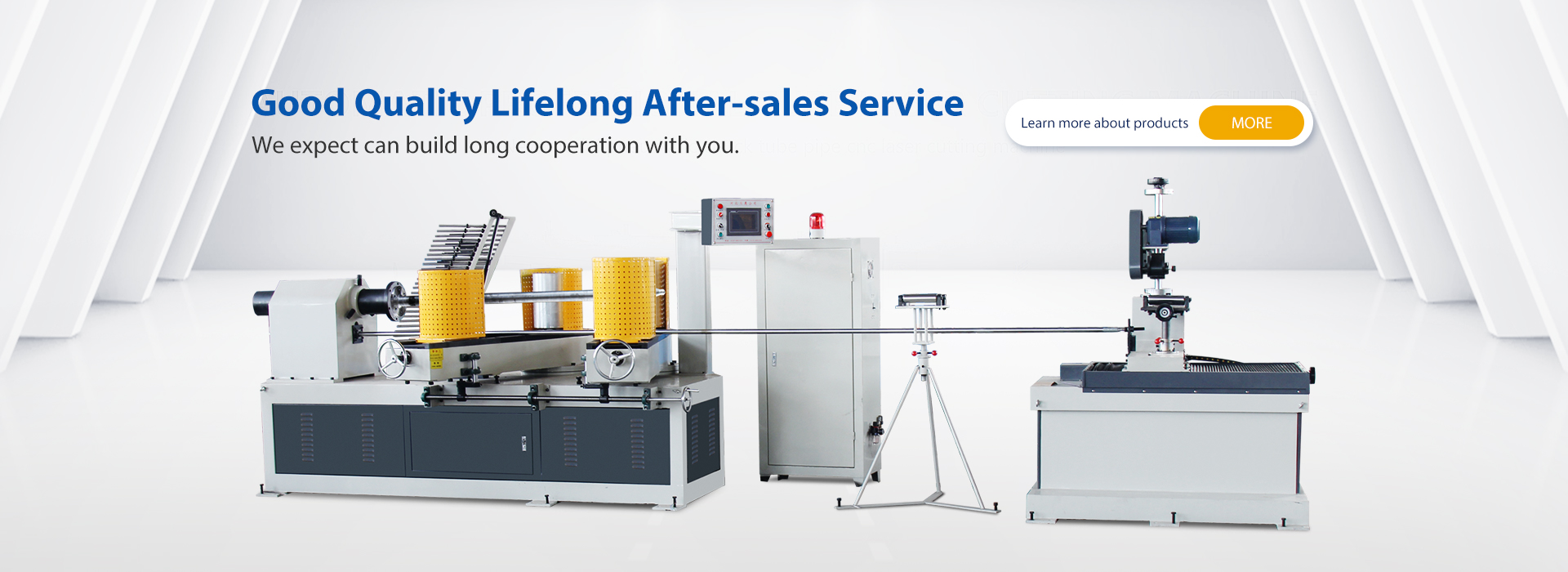
If you run a packaging factory, textile mill, film converting plant or tape manufacturing workshop, a high-performance paper tube making machine is the backbone of your paper core production line. Paper cores serve countless industries: stretch film cores, adhesive tape cores, textile yarn cores, toilet roll cores, label roll cores and industrial packaging tubes. Many buyers rush to compare prices only to end up with unstable equipment, frequent downtime, inconsistent roundness, delaminated tubes and high scrap rates. Choosing a reliable kraft paper tube making machinery is not just about speed and output; it is about consistent precision, stable winding performance, low maintenance and long-term return on investment. This buying guide breaks down the must-have features you should verify before investing in a paper core making machine, helping you pick equipment that matches your production mix and quality standards.
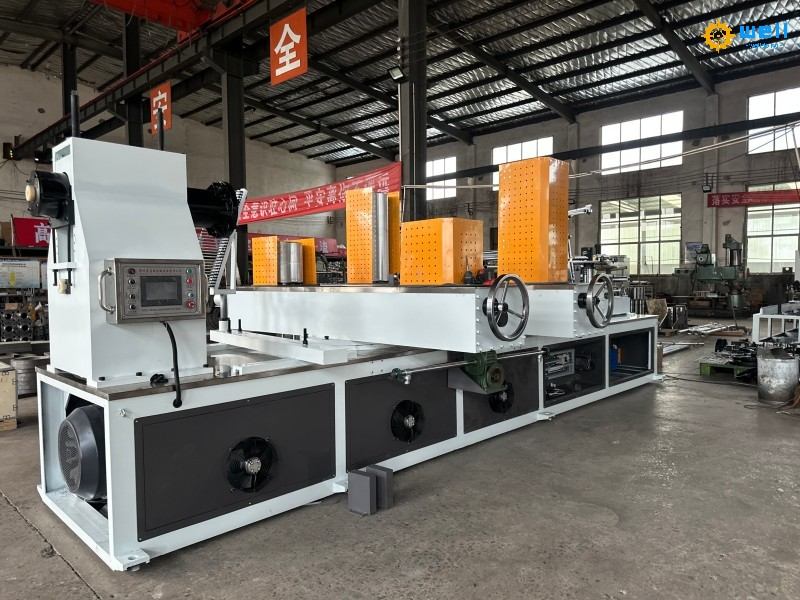
First and foremost, prioritize precision dimensional control, the most critical feature for paper core production. End users reject paper cores with uneven inner diameter, out-of-tolerance length, irregular roundness and varying wall thickness. A trustworthy paper tube making machine adopts servo-driven winding and flying cutting systems paired with PLC touchscreen control. Top-tier models keep length tolerance within ±0.5 mm, maintain uniform wall thickness across every finished core, and avoid oval or deformed tubes even during continuous high-speed running. The mandrel set is another key point. Check whether the machine supports quick-change mandrels to cover your full inner diameter range, such as 30 mm to 200 mm, and adjustable wall thickness from 1 mm to 15 mm. Flexible mandrel compatibility lets you switch between thin lightweight tissue cores and heavy-duty thick-walled film cores without major mechanical rework. Avoid low-cost machines with fixed mandrels and open-loop cutting, as they produce high defective rates and hurt your customer reputation.
Second, inspect the winding tension and gluing system, which directly decide the bonding strength of your paper cores. Poor tension control causes loose winding, layered separation and weak compression. A reliable paper tube making machine comes with independent tension regulators for each paper ply, keeping stable paper feeding tension regardless of paper roll weight reduction. The gluing unit should support single-sided or double-sided gluing options, with adjustable glue flow and even glue spreading. Excess glue leads to messy outer surfaces and slow drying; insufficient glue causes delamination during cutting or storage. Advanced units include a glue recycling tank and easy-clean glue rollers, cutting adhesive waste and simplifying daily cleaning. Some upgraded paper core machines add auxiliary drying sections for fast glue curing, which is ideal for factories working in humid climates and prevents soft cores before stacking and packing.
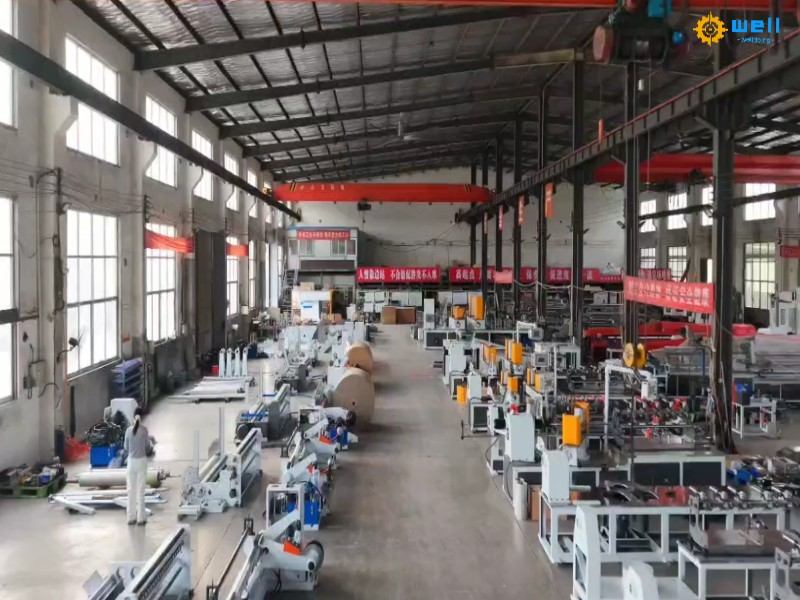
Third, evaluate the automation level and control system. Modern buyers need paper tube making machine that reduce operator dependency and human error. Look for a full PLC control system with an intuitive touchscreen interface. Operators can set production speed, target length, ply count, glue dosage and winding angle on one screen, and store parameter presets for repeat orders. High-quality machines integrate real-time fault monitoring, automatic alarm and error logging. When paper breaks, glue runs low or the cutting unit malfunctions, the system triggers an alert and stops the line automatically to avoid mass waste. Servo synchronous flying cutting is far better than stop-cut structures, because it cuts finished cores on the fly without halting the winding process, sustaining continuous production and lifting overall output. This automation feature also lowers labor cost: one skilled worker can supervise multiple paper tube machines instead of feeding, measuring and cutting manually.
Fourth, check mechanical structure stability and durability. Paper core production is a continuous, high-load job. A lightweight thin-frame paper tube making machine vibrates heavily at high speed, which ruins dimensional accuracy and wears down parts quickly. Reliable models use heavy cast steel frames and thickened welded beds with anti-vibration design to minimize shaking during long shifts. Pay attention to key wear parts: winding belts, pressing rollers, cutting blades, bearings and gear sets. Confirm whether these spare parts are standardised and easily sourced. A machine with custom, hard-to-buy components will trap you in long lead times and expensive repairs once parts break. CE certification, stable electrical layout and enclosed protective covers are also non-negotiable for workplace safety, especially for factories running multi-shift production.
Fifth, confirm production flexibility and raw material adaptability. Your business may expand product lines later, so the paper tube making machine should handle different paper materials: kraft paper, recycled paper, coated paper and liner paper. Adjustable winding speed from low speed for thick multi-ply cores up to 20 m/min or higher for thin standard cores gives you room to balance quality and throughput. Modular design is a big plus. You can start with a basic spiral paper core machine and add automatic paper loading, finished core sorting, core trimming or stacking attachments later as your order volume grows. If you only produce one fixed core size, a dedicated model works; for mixed SKUs with frequent size switching, choose a versatile machine with fast setup and recipe storage.
Sixth, do not overlook after-sales support and maintenance friendliness. Even the best paper tube making machine requires routine maintenance. The design should grant easy access to the gluing station, cutting assembly and tension rollers for daily cleaning and lubrication. Ask suppliers about technical support: remote diagnosis, operation training, on-site installation guidance and spare parts supply cycle. Many cheap paper core machine sellers disappear after delivery, leaving you stuck when breakdowns happen. A reputable manufacturer provides operation manuals, video tutorials and long-term technical assistance, which reduces your downtime risk significantly.
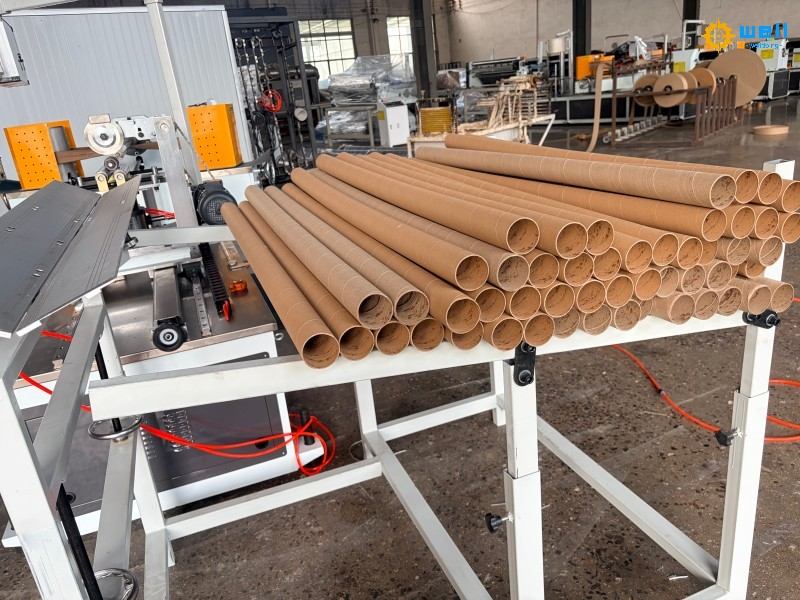
Before finalising your purchase, match the machine specs against your actual order requirements. Calculate your daily output target, core size range, material type and quality tolerance demanded by your buyers. A fast machine is useless if it cannot hold consistent roundness; a low-speed precise machine limits your capacity for bulk orders. The sweet spot is a well-balanced servo spiral paper tube making machine that delivers stable precision, adjustable speed, reliable gluing and user-friendly operation.
To wrap up, a reliable paper tube core making machine for core production is defined by precise dimensional control, stable tension and gluing performance, intelligent PLC & servo automation, robust anti-vibration structure, flexible material and size adaptability, plus accessible after-sales service. Investing in quality equipment reduces scrap, cuts labour, shortens changeover time and helps you deliver uniform paper cores to textile, film, tape and packaging customers. If you are sourcing a new paper core making machine for your workshop, focus on these key features rather than price alone, and your production line will gain stable, profitable performance for years.
Email:cartonmachine.tomwang@aliyun.com
Phone/Wechat/Whatsapp:+86 133 0307 8975
Post time: Nov-20-2026