
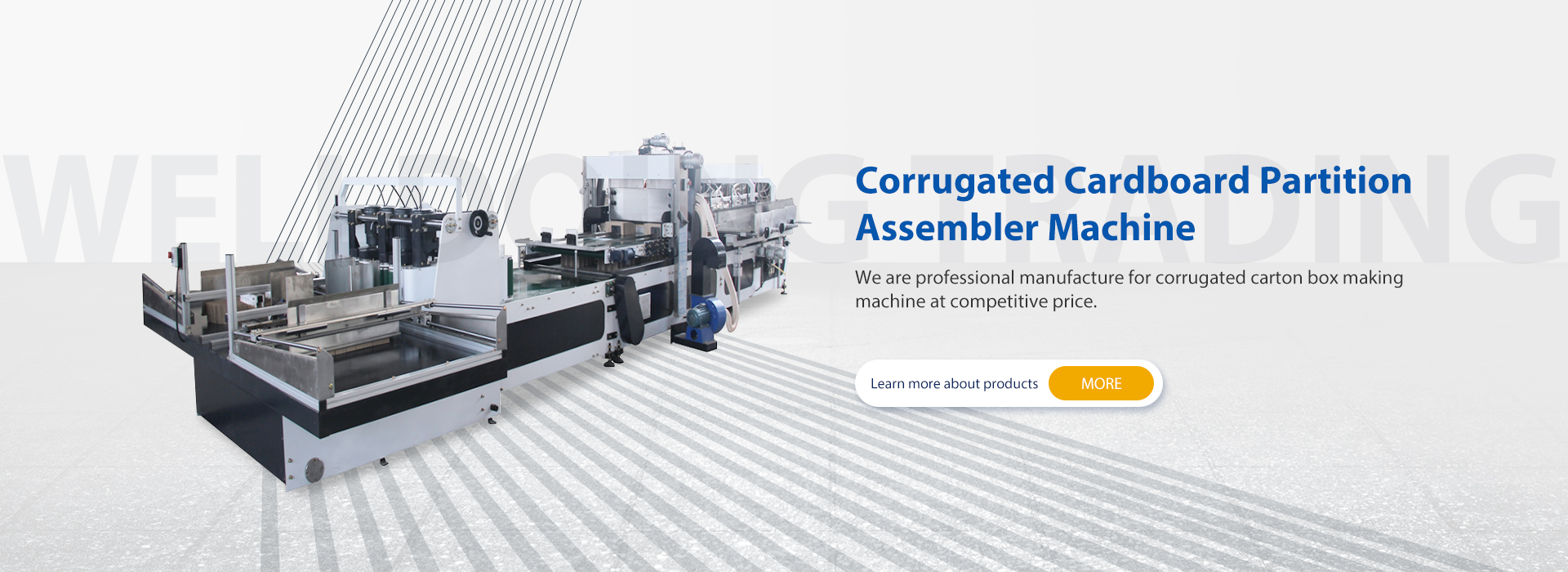
In 2026, the global industrial packaging partition assembling machine market stands at a pivotal inflection point, driven by booming e-commerce, strict sustainability regulations, and accelerated smart manufacturing transformation. As a core equipment for product protection and efficient packaging, partition assembly machines are evolving from traditional auxiliary devices into intelligent, green, and flexible integrated solutions, witnessing robust growth and profound structural changes across the industry.
Market Growth Momentum: Strong Demand Across Global Industries
The market is experiencing steady expansion with a clear upward trajectory. The global packaging machinery market is projected to reach USD 53 billion in 2026, growing at a CAGR of 5.58% from 2026 to 2035. Specifically, the industrial paperboard partition market, closely linked to assembly machines, is expected to grow from USD 545 million in 2025 to USD 677 million by 2032, reflecting the rising demand for supporting assembly equipment.
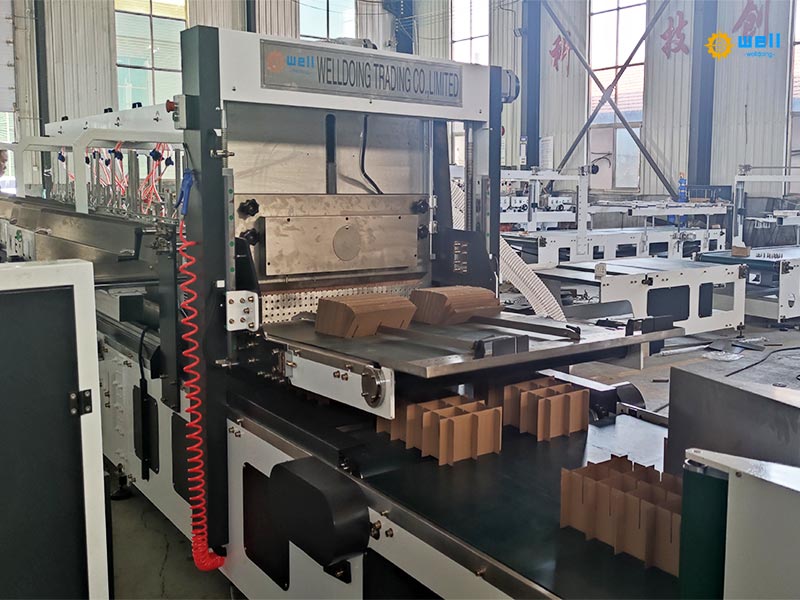
Key growth drivers include:
- E-commerce & Logistics Expansion: The surge in cross-border e-commerce and multi-item shipments fuels demand for damage-proof packaging, making automatic partition assembly indispensable for reducing product collisions during transit.
- Rising Labor Costs: Global labor shortages and increasing wage pressures push manufacturers to replace manual partition assembly with automated solutions, cutting labor costs by 40% on average.
- Sustainability Regulations: Strict environmental policies worldwide promote recyclable paperboard partitions, driving the need for high-efficiency assembly machines compatible with eco-friendly materials.
- Diversified Industrial Applications: Food & beverage, pharmaceuticals, electronics, and new energy industries (e.g., battery packaging) demand customized partition solutions, further boosting market demand.
Core Development Trends: Intelligence, Flexibility, and Greenification
1. Intelligence: Industry 4.0 Integration Becomes Mainstream
In 2026, over 65% of newly installed carton partition assembling machines are fully or semi-automatic, with intelligent transformation as the core trend. Advanced models integrate AI, IoT, and digital twin technologies, enabling:
- Automatic Adaptation: AI vision systems identify product sizes and adjust partition assembly parameters in real time, accommodating multi-specification production.
- Remote Monitoring & Maintenance: IoT connectivity allows real-time equipment status tracking, fault diagnosis, and remote troubleshooting, reducing downtime by 32%.
- Data-Driven Optimization: Digital twin technology simulates assembly processes, optimizing efficiency and minimizing material waste by 15%.
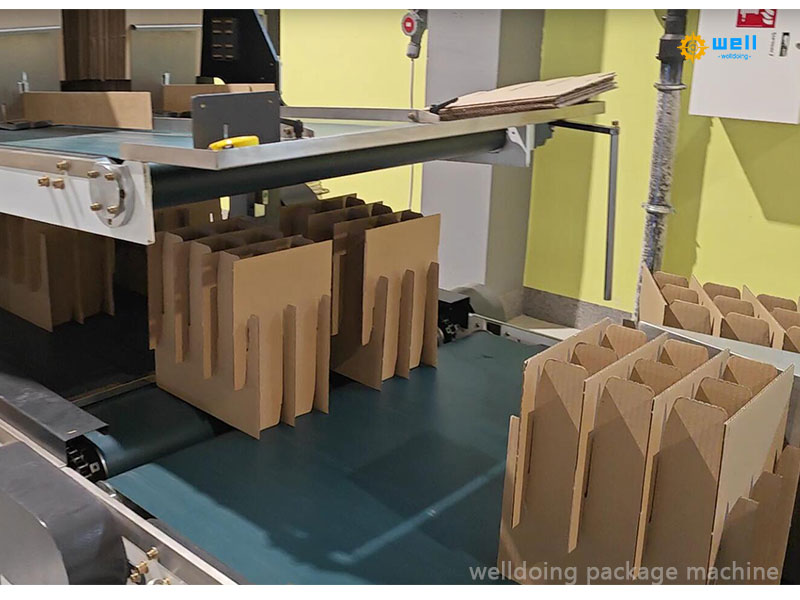
2. Flexibility: Adapting to Multi-Variety, Small-Batch Production
Modern manufacturing demands high flexibility, and 2026 partition assembly machines are designed for quick changeover. Modular designs enable switching between different partition sizes and structures within minutes, meeting the needs of small-batch, diversified production in cosmetics, electronics, and home goods industries. This flexibility helps manufacturers respond rapidly to market changes and reduce production costs.
3. Greenification: Energy Efficiency and Recyclable Compatibility
Sustainability is no longer an option but a necessity. 2026 machines feature energy-efficient all-electric drive systems, reducing power consumption by 40% compared to traditional models. They are optimized for recyclable and biodegradable paperboard materials, complying with EU and global carbon neutrality standards. By minimizing material waste and energy use, these machines support enterprises in achieving ESG goals and enhancing brand competitiveness.
Regional Market Landscape: Diversified Growth and Supply Chain Optimization
- Asia-Pacific (APAC): Dominates the market, with China leading as a major manufacturing and export base. China’s packaging machinery exports reached USD 1.28 billion in 2024, up 29.4% YoY, with mid-to-high-end models accounting for 38%. Driven by “Made in China 2025″ and industrial transfer, APAC will maintain the highest growth rate in 2026.
- Europe & North America: Focus on high-end intelligent and green equipment, with strict quality and safety standards. Demand is driven by sustainability regulations and the need for efficient logistics solutions.
- Emerging Markets (Latin America, Middle East & Africa): Rapid industrialization and e-commerce penetration fuel demand for cost-effective, easy-to-operate assembly machines, offering huge growth potential.
China’s Competitive Edge: From Manufacturing to Smart Solutions
Chinese manufacturers are emerging as key global players in 2026, with strong competitiveness in both cost and technology. The localization rate of core components (servo systems, PLC controllers) has reached 67%, ensuring stable performance and cost advantages. Leading suppliers are transforming from equipment manufacturers to smart packaging solution providers, offering one-stop services including design, production, installation, and after-sales support.
With advanced R&D capabilities, strict quality control, and flexible customization services, Chinese automatic partition assembly insert machines are well-received globally, especially in Southeast Asia, Europe, and North America. They deliver reliable performance, high efficiency, and competitive pricing, helping global customers enhance productivity and reduce costs.
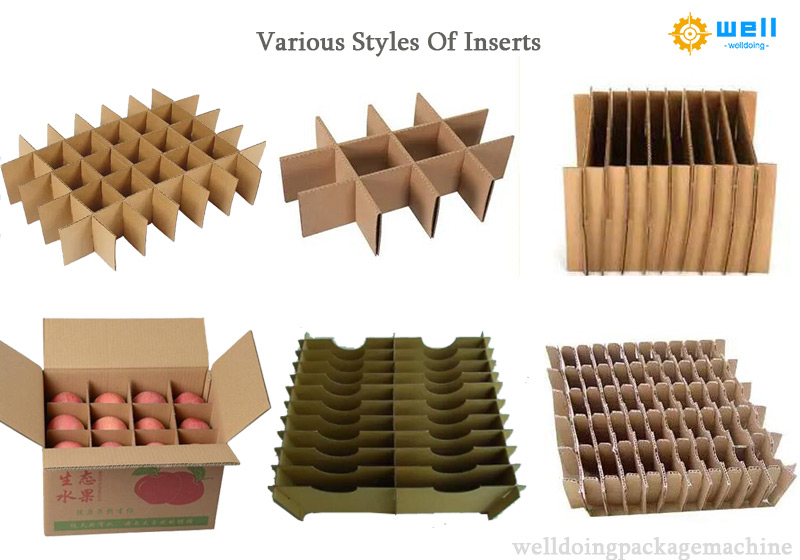
Future Outlook: 2026 and Beyond
From 2026 to 2030, the market will maintain a CAGR of 14.2%–16.8%, driven by technological innovation and market demand. Partition assembly machines will evolve into smart packaging decision nodes, integrating with robotic arms, AGVs, and intelligent warehousing systems to form fully automated packaging lines.
For global buyers, 2026 is the ideal time to invest in advanced partition assembly machines. Choosing Chinese suppliers means accessing cost-effective, intelligent, and eco-friendly solutions with reliable quality and comprehensive after-sales service. As the market continues to grow and technology advances, these machines will become a standard configuration for modern manufacturing, empowering enterprises to thrive in the competitive global market.
Post time: May-20-2026