
If you run a corrugated carton plant, packaging converting workshop or contract packing factory, scrap loss from carton partition production quietly eats your profit every shift. Many plant owners have the same headache: hand-assembled dividers, inconsistent slot depth, misaligned cross boards, broken tabs, and trial-and-error waste during size changeovers. You may have wondered: will upgrading to a servo partition assembler machine actually lower carton partition scrap rate, or is it just another overhyped packaging machine upgrade? The short answer is yes — but only when you understand where most partition waste comes from, and how servo-driven partition assembler machine technology fixes those root causes instead of speeding up the same old error-prone workflow.
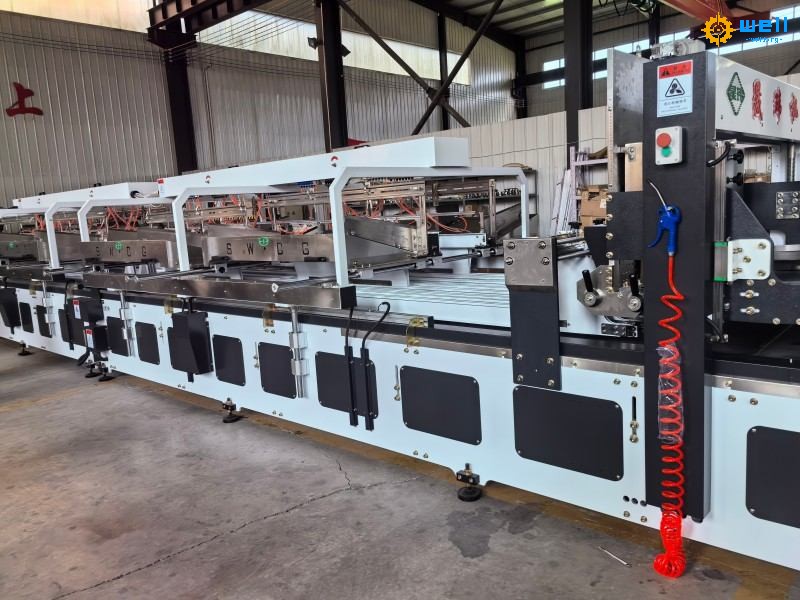
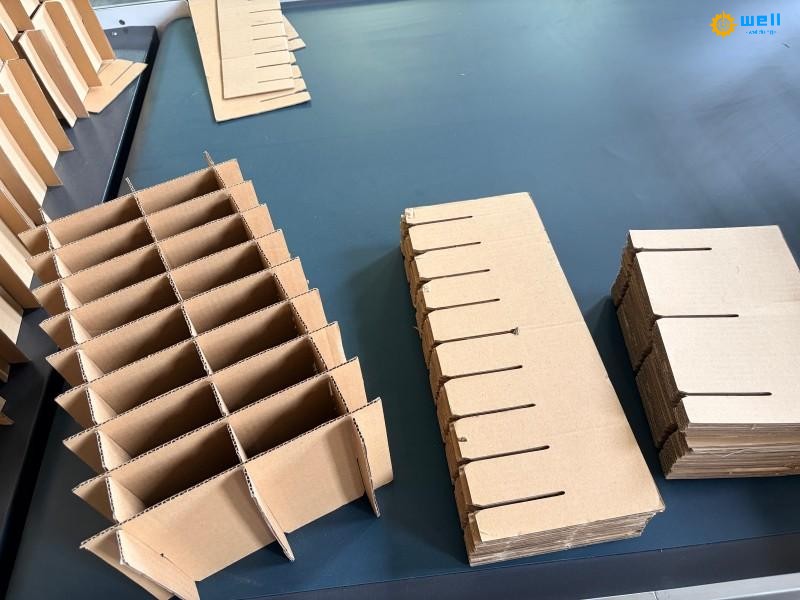
Carton partitions, also known as box dividers, lattice inserts and inner separators, are widely used for glassware, bottles, electronics, hardware, fruits and fragile goods shipping. Traditional partition production relies heavily on manual weaving or basic pneumatic partition assembly equipment. These older setups create scrap in predictable ways. Operators feed corrugated sheets unevenly, slot positions drift with speed changes, interlock tabs crack because of overpressure, and whole batches get rejected once dimensions drift outside brand tolerance. For custom small-batch orders, scrap rates can climb to 12–20%. Even for repeat standard jobs, many converters accept 5–8% board waste as “normal cost of doing business.” Every rejected partition means lost corrugated stock, extra rework labor, delayed delivery windows and weaker carbon performance, a bigger concern as more brand buyers audit packaging waste and sustainability data. This is exactly the pain point the servo partition assembler machine is built to resolve.
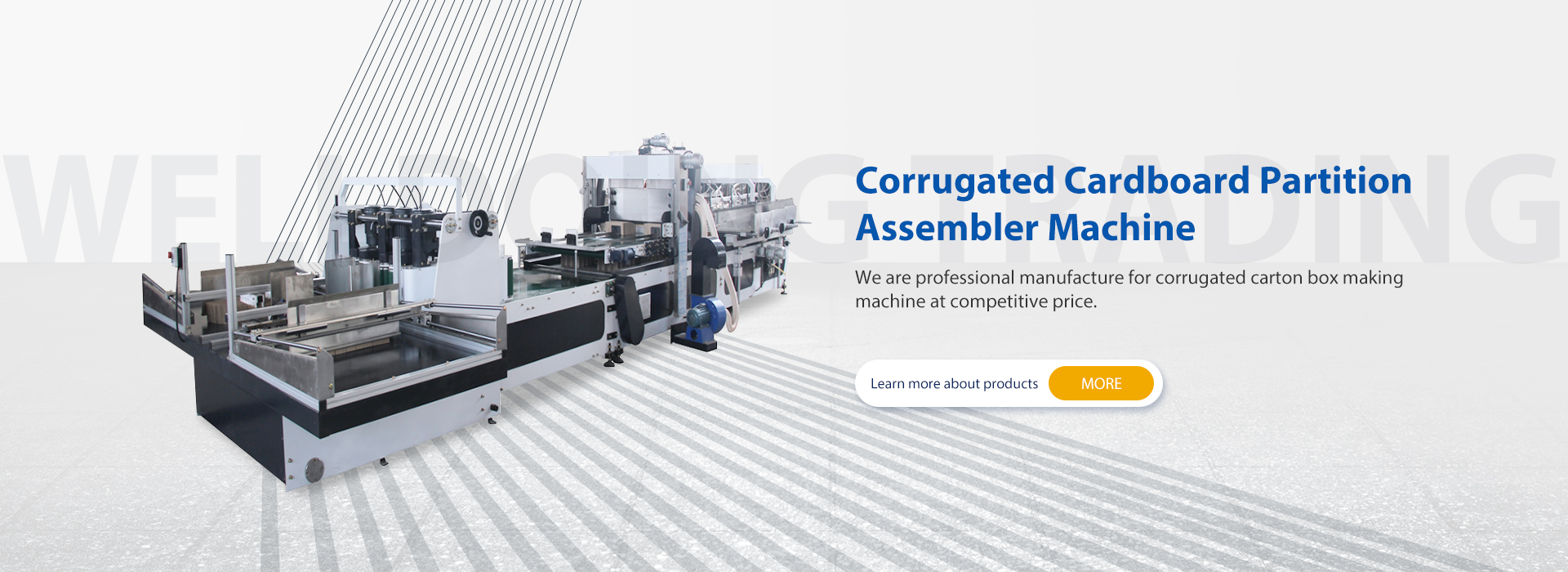
What separates a servo partition assembly machine from conventional pneumatic partition assembly machines is closed-loop servo positioning for every core motion axis: vertical board feeding, horizontal board feeding, slot positioning, cross inserting and locking forming. Unlike pneumatic cylinders that deliver fixed impulse force with poor repeatability, servo motors control position, speed and torque in real time, with precise digital feedback. On a quality servo partition assembler machine, slot depth, board stop position and insertion pressure are locked to preset values stored in the PLC touchscreen. Once saved, these parameters repeat identically from the first sheet to the last sheet of a production run, with no drift caused by air pressure fluctuation, operator fatigue or running speed adjustments. This directly eliminates the largest source of partition scrap: dimensional inconsistency and broken interlock tabs from unstable mechanical force.
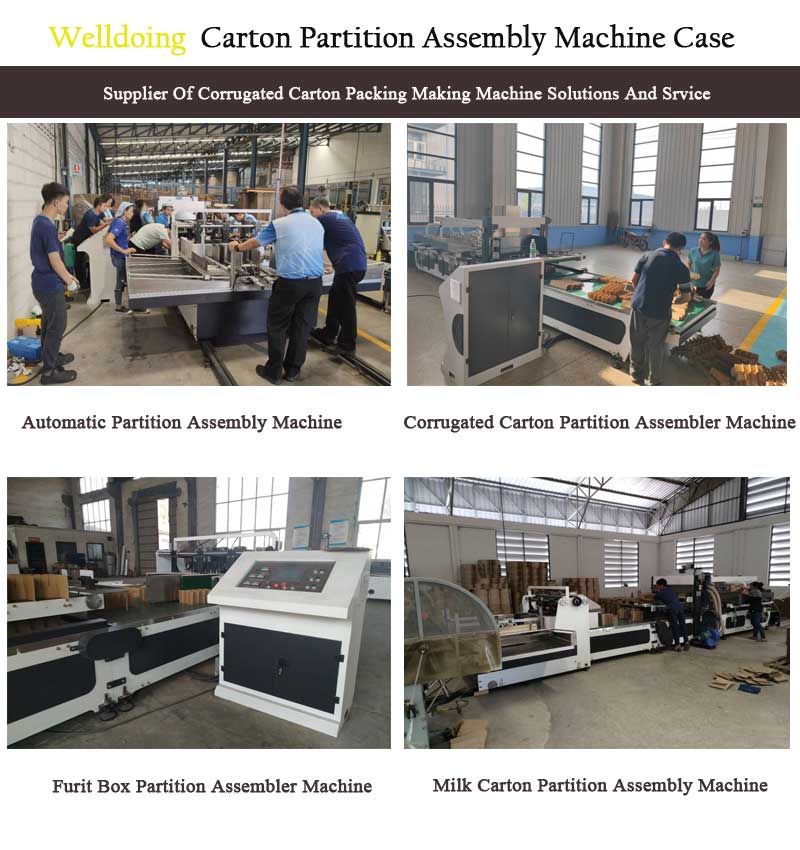
Another major waste hotspot is job changeover. Old partition equipment needs manual mechanical adjustment of guides, stops and feeding frames. Every time you switch from a 3×4 partition to a 4×6 divider, operators test dozens of blank boards to tweak settings, generating piles of trial scrap. A servo partition assembler machine stores all partition recipes digitally. You call up the saved SKU program on the HMI, and servo axes auto-adjust feeding spacing, slot positions and assembly alignment automatically. Tool-free, fast changeover cuts trial scrap dramatically, especially for carton factories handling frequent mixed small orders. This benefit alone makes the servo partition assembler machine attractive for job shops that serve multiple beverage, cosmetic and hardware packaging clients.
Many buyers overlook one hidden scrap factor: board feeding damage. Vacuum feeding systems paired with servo synchronization maintain steady, non-slip transport for thin 3-ply and heavy 5-ply corrugated sheets. When feeding speed between horizontal and vertical boards falls out of sync on non-servo machines, sheets jam, bend, tear or shift sideways. Jammed boards are almost always scrapped, plus jams trigger unplanned downtime and extra waste during restart. Synchronized servo motion keeps cross-feeding matched perfectly, reduces sheet jamming, and protects the corrugated liner and flute structure. Less jamming equals fewer damaged blanks, less downtime waste and smoother continuous operation for long runs.
Naturally, a servo carton partition assembly machine is not a magic fix for every scrap issue. It cannot compensate for poor raw corrugated quality, overly brittle board, incorrect upstream slotter cuts or rough handling after assembly. It targets process scrap generated inside the partition assembly station itself. Real-world converter feedback shows well-configured servo partition assembler machines typically bring stable scrap rates down to 1.5–3.5%, compared with 6–15% on manual or basic pneumatic lines. That gap adds up fast. For a plant consuming thousands of corrugated sheets weekly, the saved board cost often delivers clear ROI alongside labor savings and higher output.
Beyond scrap reduction, the servo partition assembler machine improves batch uniformity, which reduces customer rejection after delivery. Brand customers reject full shipments if partition grids are loose, uneven or fail drop tests. Consistent servo-locked assembly creates tight, uniform interlocked partitions with reliable shock protection. Fewer customer returns mean less secondary waste from reworking finished carton sets, another hidden saving many machine quotes fail to highlight. The machine also supports flexible production: it handles different board thicknesses, grid layouts and partition heights without heavy mechanical rebuilds, helping packaging printers and box makers accept more high-margin custom divider orders.
If you are evaluating a partition assembler machine for your plant, judge it by servo axis layout, recipe storage capacity, sheet anti-jam detection, HMI usability and after-sales support, not just maximum speed. A high-speed machine without stable servo synchronization will still produce scrap. Look for models with independent servo control on vertical and horizontal feeding, torque adjustment for fragile flutes, and automatic fault alarm that stops feeding before stacks of defective partitions pile up. CE-certified servo partition assembler machine units fit well into existing corrugated converting lines and work with partition slotters, stackers and conveying systems.
So circling back to the core question: can a servo corrugated carton partition machine cut down your carton partition scrap rate? Yes, it absolutely can, and the gains are measurable on your production log and material cost report. It attacks the top three assembly-stage waste drivers: unstable positioning, risky manual changeover and unsynchronized feeding damage. If your profit margin is squeezed by rising corrugated board prices and your quality team keeps flagging partition rejects, upgrading to a servo partition assembler machine is not just a productivity play — it is a material waste control investment. Lower scrap means less raw material consumption, better sustainability reporting, fewer rework hours and more consistent on-time order fulfillment for your packaging customers.
Ready to stop treating high carton partition scrap as unavoidable? Compare servo partition assembler machine specifications, run sample partition tests with your own corrugated blanks, and calculate how much board waste reduction you can unlock for your specific order mix.
Email:cartonmachine.tomwang@aliyun.com
Phone/Wechat/Whatsapp:+86 133 0307 8975
Post time: Nov-23-2026